By the Modhop Editorial Team (Based on 500+ premium flights reviewed)
If you’re flying business class for the first time, you’re about to realize that the front of the plane is an entirely different world—but only if you know which hidden buttons to press.
The Bottom Line: Business class is more than just a lie-flat seat; it’s an end-to-end ecosystem of perks like hidden priority check-in desks, lounge shower suites, and unadvertised “dine-on-demand” services. To get your money’s worth, stop being polite and start asking for the “secret” menu of amenities, from pajamas to express meal services that maximize your sleep.
You’ve finally done it. Maybe you found a glitch fare, maybe you finally liquidated that mountain of credit card points, or maybe you just decided that your lower back deserved a win for once. Whatever the reason, you’ve secured a ticket that doesn’t involve a middle seat or a battle for the armrest. But as you approach the airport, a weird feeling starts to sink in: imposter syndrome. You’re worried about walking into the wrong lounge, pressing the wrong button on your seat, or, heaven forbid, using the wrong fork.
Relax. We’ve all been there. Airlines are surprisingly bad at telling you how to use what you paid for. They assume you already know how everything works. You don’t. Here is the intel you actually need to survive and thrive during your first foray into the front of the bus.
The Airport Infrastructure You’re Probably Missing
Most first-timers think the “business class experience” starts when they step onto the plane. Wrong. It starts the second you hit the curb at the airport.
One of the biggest mistakes I see people make is standing in that massive, soul-crushing general economy line. They often miss the small, sleek sign for the “Premier,” “Club,” or “Polaris” check-in area. These are often tucked away in a completely different part of the terminal.
Don’t be shy, look for the carpets. Usually, if there’s a rug on the floor at check-in, that’s where you want to be.
Once you’ve got your boarding pass, don’t just follow the herd toward the main security line. Your ticket almost certainly entitles you to a fast-track lane. Even if you don’t have TSA PreCheck, many airports have a separate “Priority” lane for premium passengers. It can save you thirty minutes of standing behind a family trying to figure out if a juice box counts as a liquid. This is the definition of smart travel, using the perks you already paid for to buy back your time.
Lounge Etiquette: The “Golden Rule” of the Buffet
The lounge is a spot where the “Occasional Upgrader” can get overwhelmed. You walk in, see a free bar and a buffet, and suddenly you’re trying to eat your body weight in finger sandwiches before the flight. Resist the urge.
Relax. First, check if your lounge has a shower suite. This is a total game-changer, especially if you’re coming straight from the office or a long day of sightseeing. There is nothing, and I mean nothing, that feels more like a “splurge” than taking a high-pressure shower while everyone else is sitting at Gate B12 charging their phones on a cold floor.
Regarding the “hidden” side of lounging, if you’re at a major hub like LAX, the experience can vary wildly depending on which lounge you actually have access to. I’ve talked before about LAX lounging and the chaos of airport logistics, and the rule remains the same: just because you’re flying Airline A doesn’t mean you can’t use Partner Lounge B. Always ask the front desk if they have a “quiet room” or “nap pods.” They won’t always offer them up unless you ask, but they are often the only way to get some actual peace before a ten-hour haul.
And a quick note on tipping: if you’re in the U.S., a dollar or two for the bartender is standard. If you’re in London, Tokyo, or Paris, put your wallet away. Tipping in those lounges is often seen as confusing at best and insulting at worst.
The “Pod” Overwhelm: Don’t Break the Seat
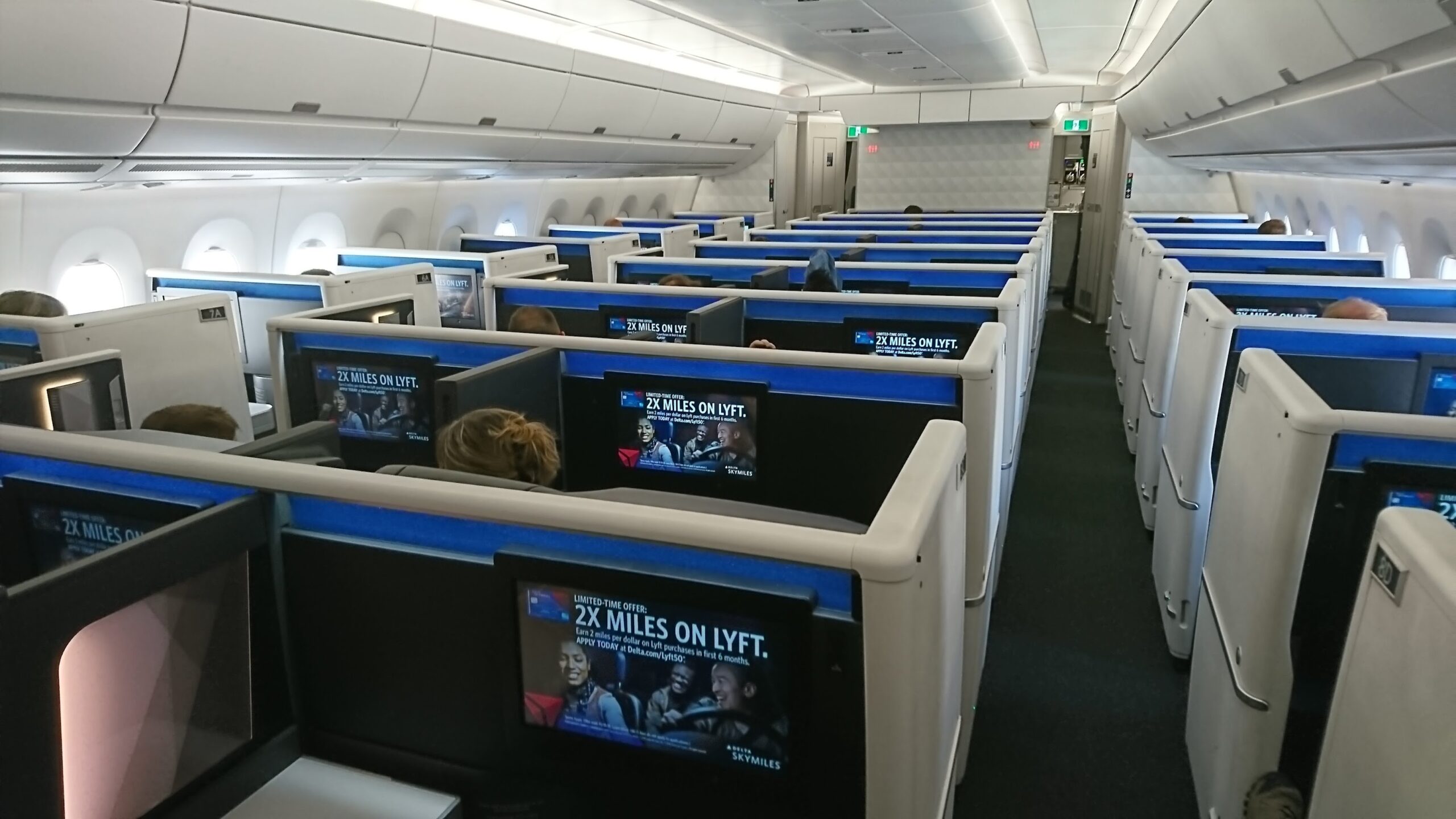
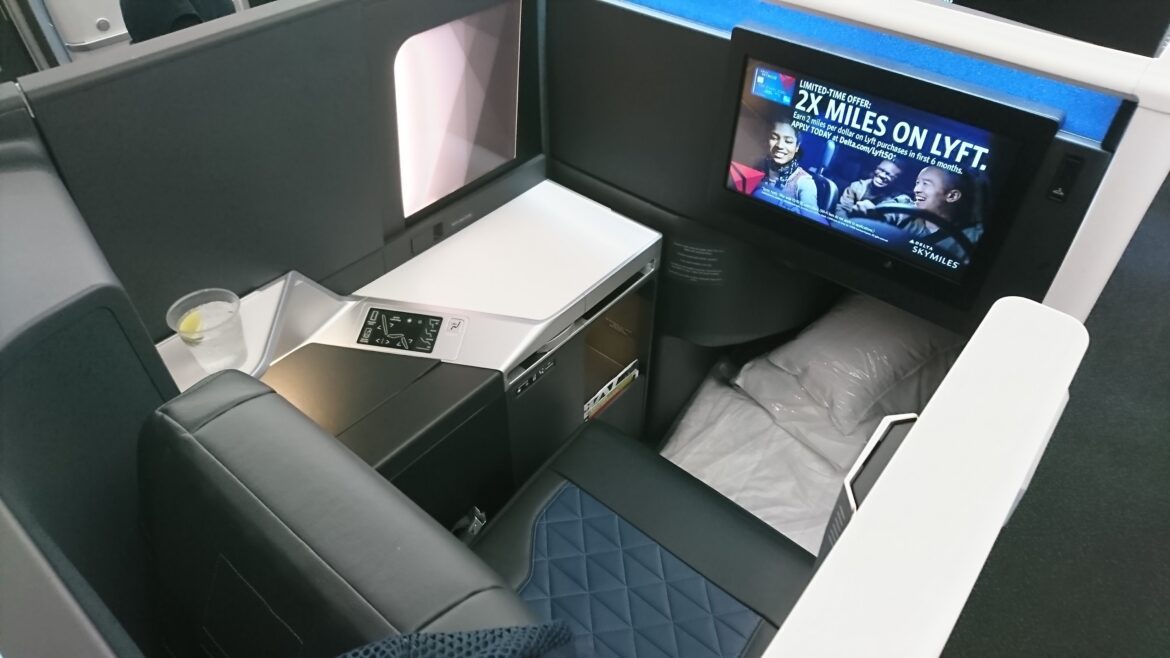
You’ve boarded, you’ve had your pre-departure champagne (yes, take it), and now you’re staring at a control panel that looks like it belongs in a Tesla. The “Pod” is your kingdom for the next few hours, but it’s also a maze of hidden storage nooks and power outlets. My best advice? Ask for a tour. Seriously. When the flight attendant comes by to introduce themselves, just say, “It’s my first time in this configuration, can you show me where the headphone jack and the bed controls are?” They would much rather spend sixty seconds showing you the ropes than have to reset your seat manually because you jammed a shoe into the tracking mechanism.
Also, let’s talk about the call button. In economy, pressing that button is basically an act of war. In business class, it’s a communication tool. Now, don’t be a jerk, don’t ring it every five minutes for a refill on warmed nuts, but if you need something, use it. These cabins are designed for privacy, which means the crew can’t always see if you’re struggling with your tray table or if you’ve run out of water.
Quick seat-pick sidebar: bulkhead vs. window pod. If you’re staring at the seat map like it’s a logic puzzle, here’s the cheat sheet. Bulkhead seats can have more footwell space (and no one reclines into you), but sometimes the TV and tray live in the armrest, which can make the seat feel narrower and reduce little storage cubbies.
Window pods (especially the newer “angled toward the window” layouts) are usually the best bet if you want privacy and fewer drive-bys from the aisle—just double-check you’re not picking a seat with a tiny “coffin” footwell if you’re tall.
Dining: The “Express” Secret and the Salt Shaker
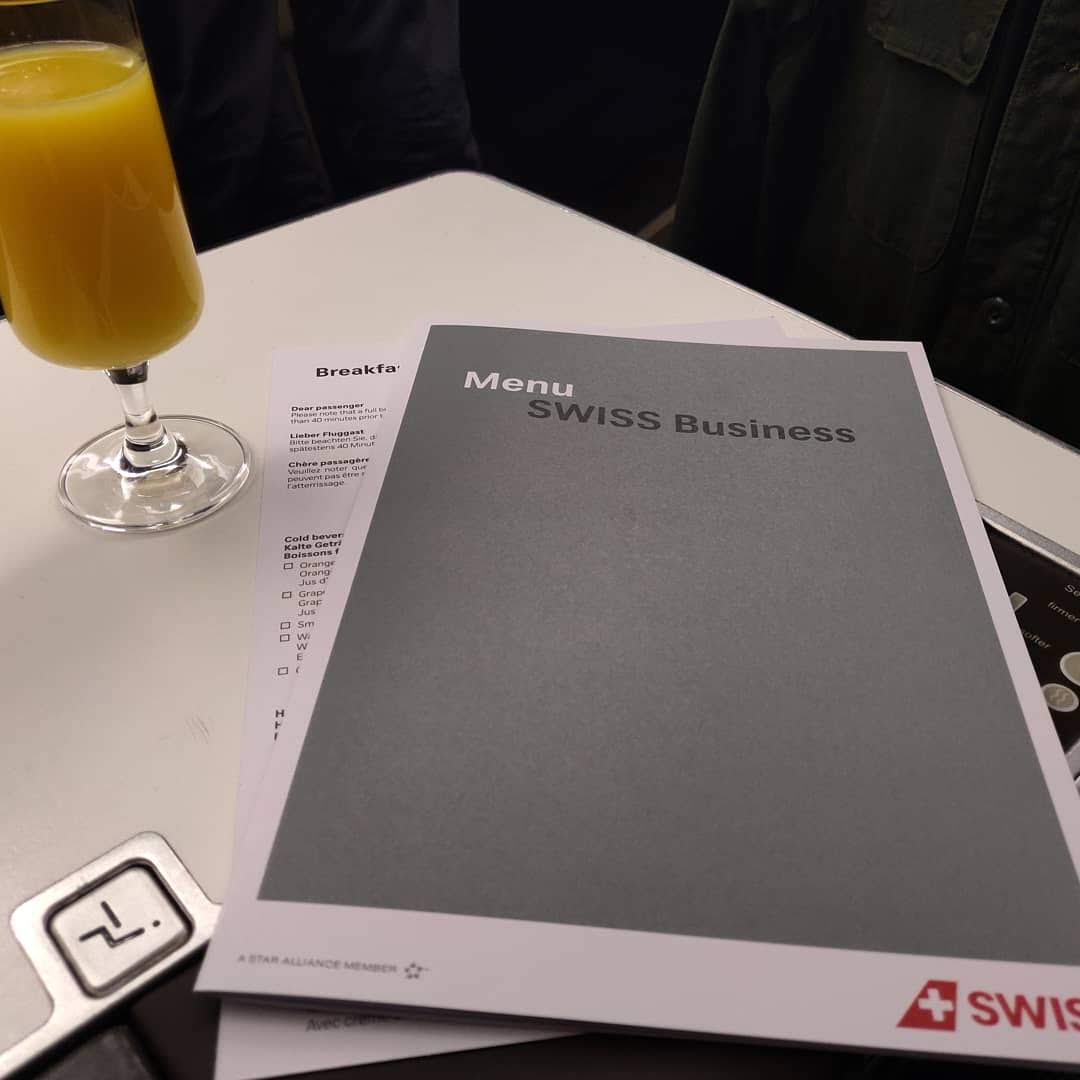
One thing nobody tells you is that you don’t have to eat the full, five-course meal. If you’re on a red-eye and your goal is sleep, ask for an Express Meal, which is a condensed, single-tray service served immediately after takeoff to maximize sleep. You eat fast, lights out, and you wake up feeling like a functioning adult.
Alternatively, many top-tier airlines offer Dine on Demand, a service allowing you to order meals at any time during the flight. In plain English: you can tell them, “I’m going to sleep now, but I’d love my steak in about four hours.” This is one of those business travel essentials that people are too shy to use.
Mastering the art of flying business class for the first time is all about shedding the economy-class guilt and leaning into the perks you’ve actually paid for.
Pre-ordering meals: the easiest “pro move” nobody explains. On some airlines, you can pick your main course (or a special option) before you ever step on the plane. Singapore Airlines’ Book the Cook program is the gold-standard example: you choose from an expanded menu in advance, and your pick is loaded specifically for you. The upside is simple: you’re more likely to get what you want, and you can time it better with your sleep plan because the crew already knows what’s coming.
And here’s a weird “pro” tip: if the airline uses those cute little branded salt and pepper shakers (looking at you, Virgin Atlantic and KLM), they often expect you to take them. Some are even designed as collectibles. Just don’t go stripping the linens off the bed. Which reminds me: yes, you can take the amenity kit. No, you cannot take the duvet or the high-end noise-cancelling headphones (they will find you).
The Modhop Splurge Math: Is It Worth It?
One of the most common questions we get is whether the jump from economy to business is worth the cash or points, especially when upgrading to premium economy has become such a viable middle ground. Here is our quick breakdown for the Occasional Upgrader:
The 7-Hour Rule: If the flight is under seven hours (e.g., NYC to Reykjavik or NYC to Dublin), the value is questionable unless you’re using points. You barely have time to watch a movie and eat before they’re waking you up to land.
The “Work Next Day” Factor: if you land at 8:00 AM and have to be in a meeting by 11:00 AM, the lie-flat seat isn’t a luxury; it’s an investment in your sanity.
The Hub Factor: If your ticket includes access to a flagship lounge (like the Qatar Al Mourjan or the United Polaris lounges), the value of the “ground game” alone can be worth $200–$300 in food, drinks, and spa services.
The Reality Check on Price: Business class fares on transatlantic routes average $3,000–$6,000 one-way, but award redemptions using credit card points can bring that cost to under $100 in fees.
Arrival: The Perks Don’t Stop at the Gate
Once the wheels touch down, most people think the ride is over. But keep that boarding pass handy. In many international airports, business class passengers get access to an Arrivals Lounge, a dedicated space in the arrivals terminal—often before or just as you exit the secure zone—where you can shower, eat, and refresh before heading into the city. This is different from the departure lounge, and it’s wildly underrated when you land sweaty and disoriented.
Depending on your airline and ticket, the arrivals experience can be wildly different—think the arrivals setup at a major hub like Paris-CDG, which can range from a simple coffee bar to a full-service hotel-style refresh.
Also, look for the “Fast Track” vouchers. Some airports give you a physical card or a special code on your pass that lets you skip the massive immigration line. If you don’t see one, ask the flight attendant before you deplane. I’ve saved hours in places like Heathrow just by having the right piece of paper.
And if you’re flying British Airways out of Heathrow, there’s a very real “if you know, you know” perk at T5: the Heathrow First Wing (typically reserved for BA First Class and Gold status holders, but worth confirming on your ticket). Eligible premium passengers can use a private-ish check-in entrance that feeds into a dedicated security lane, which can make the whole airport feel like it’s running on easy mode. (Not everyone qualifies, and it’s not on every ticket, but it’s worth knowing it exists before you default to the main scrum.)
If you’re looking for more tips on navigating complex hubs, our guide on navigating HKG or getting to Hawaii might help you visualize the scale of these “priority” pathways.
METADATA-START
Final Thoughts for the First-Timer
At the end of the day, remember that you paid for this. Whether it was with money or years of loyalty, you belong in that seat. The crew is there to make the experience better, not to judge you for not knowing which button makes the lumbar support kick in. Take the pajamas, eat the sundae, and don’t feel guilty about closing the door to your suite.
One last ultra-practical thing: if your bed setup feels a little thin, ask for a mattress pad (sometimes called a mattress topper). A lot of airlines have them, but they don’t always proactively hand them out. It’s a tiny request that can make a big difference on overnight flights.
Before you go, keep an eye out for our Modhop Verdict on when business class actually makes sense (and when it’s basically just an expensive nap). We’ll link it here once it’s live: Modhop Verdict: Is Business Class Worth It?
FAQ: Business Class “First-Timer” Questions
Can you take the amenity kit? Usually, yes—the amenity kit is designed to go with you. If it’s unclear (some airlines reuse headphones or have different rules by cabin), just ask the crew so you’re not doing the awkward “is this stealing?” shuffle at the door.
What is Dine on Demand? It’s a flexible meal service where you can choose when you eat, not just what you eat. Instead of everyone being served on the same schedule, you can ask the crew to bring your meal later so you can sleep first (or snack now and do a full meal closer to landing).
Do business class passengers get fast-track security? Often, yes—many airports and airlines offer a priority/fast-track lane for premium cabin tickets, but it varies by airport and how your airline is set up that day. The move is to ask at check-in (or look for “Priority” signage) before you resign yourself to the main line.
Is it worth it for a 7-hour flight? It depends on timing and your goal. Seven hours is right on the edge where a lie-flat can actually translate to real sleep, especially on an overnight; on a daytime flight, the value is more about comfort, space, and the “ground game” perks like lounge access and faster airport processing.
Join the Conversation
What was the one thing that surprised you the most during your first premium cabin flight? Was it the “free” socks, or the fact that they actually have a wine list? Let us know your first-timer stories in the comments below!
Modhop Founder Jake Redman brings years of global exploration and travel tips to the podcast and our videos at Modhop. Jake also produces audio branding for several music channels on SiriusXM.
Key Takeaways The “polite ask” isn’t useless, but it’s not a strategy. Upgrades are mostly decided by inventory + rules + the hotel’s system. Booking direct (and having even base-level […]














Post comments
This post currently has no comments.