If you’ve checked into a hotel recently and felt a strange sense of déjà vu, like you’ve been in this exact room before, even though the sign outside says “Brand New”, you aren’t losing your mind. You’re just experiencing the massive 2026 expansion of the hotel conversion trend.
The Verdict: Most “new” midscale hotels opening this year aren’t new buildings; they are existing properties that have been “reskinned” with better linens, a fresh coat of “Millennial Sage”, and a reliable Wi-Fi setup. For the Occasional Upgrader, these conversion brands are almost always worth it. You’re paying a $20–$30 premium to ensure you don’t end up in a room that smells like 1994, but don’t expect a ground-up revolution. It’s a logistical facelift, not a miracle. If you’re specifically wondering whether a Spark by Hilton review you saw online applies to the whole brand — it probably does. These properties are remarkably consistent, for better and worse, and that’s kind of the whole point.
I’ve spent a significant portion of my adult life drifting through midscale hotel hallways — possibly hundreds of properties now, from that roadside Carolinas Holiday Inn when I was moving from DC to Miami for a new radio gig in the early 2000’s, where the carpet felt damp to polished corporate hubs like the company-run Marriott Geneva I visited last Summer that was genuinely new and fresh. But lately, I’ve noticed a pattern. The “new” hotels popping up in suburban business parks and near regional airports look suspiciously like the hotels they replaced.
This isn’t an accident. We are currently in the middle of a massive wave of “conversion brands.” Instead of spending three years and tens of millions of dollars building a hotel from the ground up, the big players, IHG, Marriott, Hilton, and Hyatt, are essentially buying up existing independent or aging hotels and giving them a high-speed makeover.
By the time you pull into the parking lot, what used to be a tired, independent inn is now a Garner (IHG), a Spark (Hilton), a City Express (Marriott), or perhaps the newer Hyatt Select.
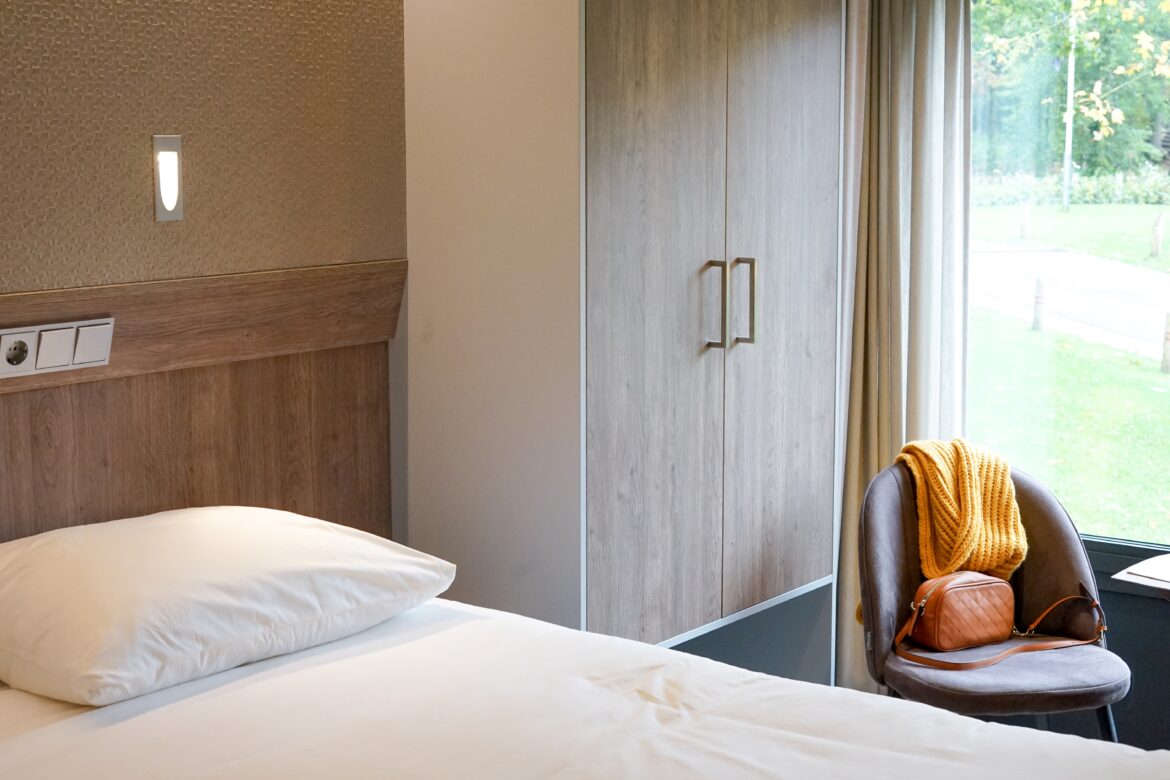
Is it a conversion or new? The windows say a lot.
Why the Hotel Conversion Trend is Exploding Now
You might wonder why these massive companies are suddenly so obsessed with recycled buildings. The answer, as it usually does in travel, comes down to speed and money. In 2026, the cost of construction materials and labor has stayed stubbornly high. For a developer, converting an existing structure into a Spark or a Garner can take as little as 90 to 120 days. Building from scratch? You’re looking at two years minimum. U.S. brand conversions hit a record 2,118 properties in Q4 2025.
But there’s also a design philosophy at play that I found during some digging. The industry research suggests the business is moving fast on conversions, while designers are leaning into ideas like hyper-localization as a core design system. This is fancy marketing speak for: “We use local art and regional textures to distract you from the fact that this room was a Quality Inn three months ago.”
They use light, scent, and sound, what they call multisensory design approach, to make the transition seamless. It’s why every lobby now has the same faint scent of white tea and the same “intentional” lighting that makes you forget you’re twenty feet from an interstate off-ramp.
The Brands You Need to Know
If you’re looking to upgrade your typical road trip stay without blowing the budget on a luxury boutique, these are the names you’ll see everywhere this year:
Spark by Hilton: These are the kings of the quick flip. Rooms are tidy and functional, the bagel-bar breakfast is free but don’t expect eggs, and the “no-weirdness” guarantee is real — you know exactly what you’re getting. Just know that as of early 2026, Spark earns only 5 Hilton Honors points per $1, which is half the standard Hilton base rate.
Garner (IHG): IHG has been on a new brand-a-thon with 11 newly minted chains including the recently launched Noted hotels we recently reported on. Garner is the company’s answer to the conversion boom. They focus on “easy-going” stays. Expect a lot of wood tones and a 24/7 coffee station that actually serves coffee you want to drink.
City Express by Marriott: This is Marriott’s CALA brand — originally built for Latin America and the Caribbean — now making a major push into the U.S. market. It’s functional, sleek, and very blue.
Hyatt Select: This is Hyatt’s actual conversion-focused brand. It’s designed specifically for converted properties, giving Hyatt a cleaner way to reflag existing hotels without pretending every building started life as a fresh ground-up project.
At-a-Glance: 2026 Conversion Brand Comparison
Brand
Parent
Points Earned
Breakfast
Primary Build Type
Spark
Hilton
5/$1
Free Bagel Bar
Conversion
Garner
IHG
10/$1
Free Hot Breakfast
Conversion
City Express
Marriott
5/$1
Free
Conversion
Hyatt Select
Hyatt
5/$1
Included
Conversion
Knowing which brand belongs to which parent company is actually useful for your wallet. If you’re trying to decide between a few options, it helps to understand when a hotel upgrade is actually worth chasing based on the parent company’s loyalty perks.
Modhop Splurge Math: Is It Worth It?
Let’s do the math on whether these conversion brands actually make sense for a smart traveler.
Imagine you’re driving through the Midwest. You have two choices for an overnight stop:
The “Old Faithful” Motel: $105 per night. It’s fine. It’s clean enough, but the pillows are thin, and the “continental breakfast” is just a bowl of bruised apples and a lopsided bagel.
The New Conversion Brand (e.g., Spark or Garner): $135 per night.
The $30 Difference Covers:
The Mattress Factor: Conversion brands almost always mandate a specific, high-quality mattress brand. That $30 is basically $4 per hour for a significantly better night’s sleep. If I’m trying to get a solid night of sleep before hitting the road early, this is huge.
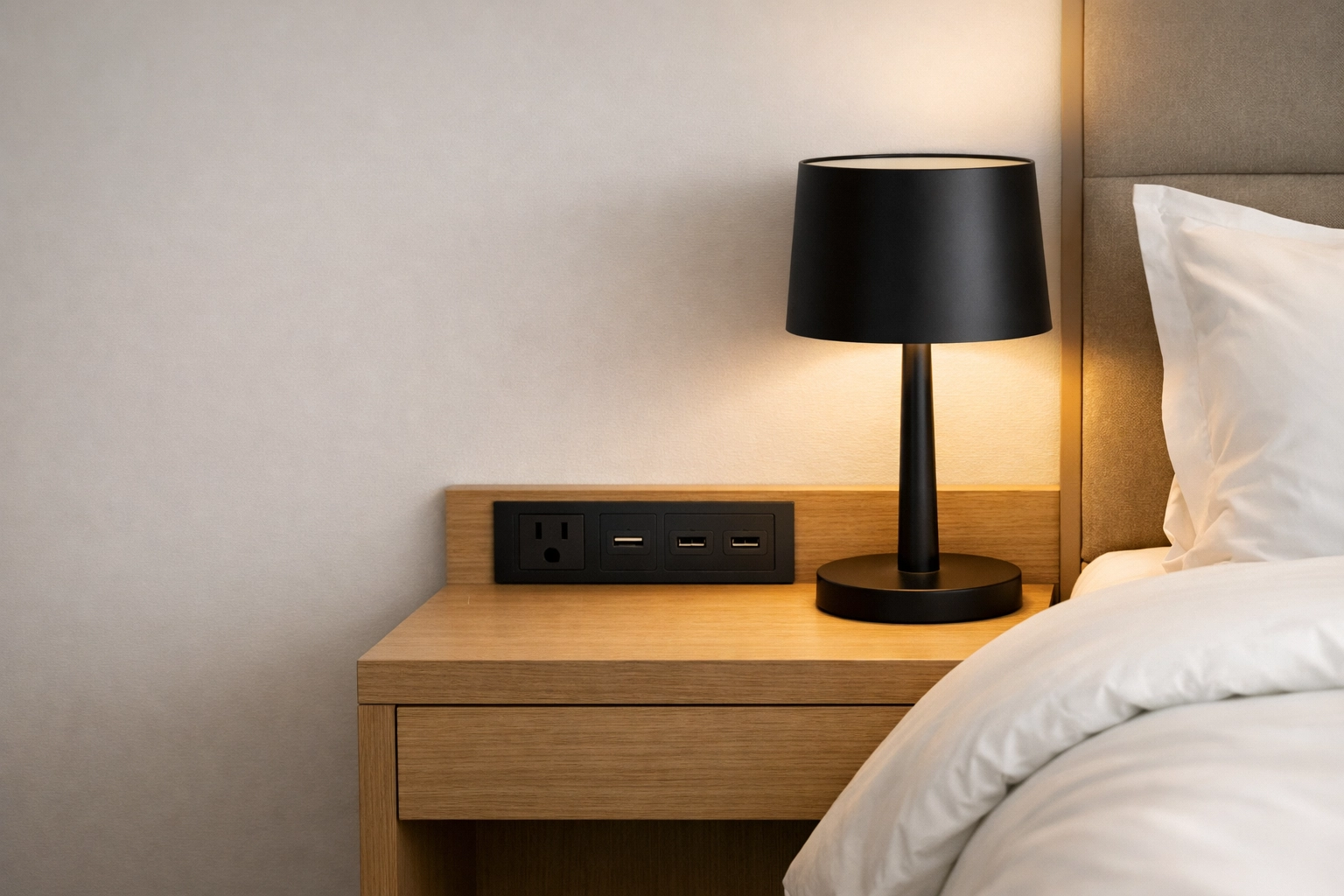
The Power Situation: Older hotels have one outlet behind the nightstand. Conversions require modern power hubs with USB-C. Little is more frustrating than pulling in late and not having enough places to plug-in.
Points Equity: You’re earning points in a major ecosystem, but not all these brands earn at the same pace. On a $135 Spark stay, the 5-points-per-$1 rate is a lot less exciting than a standard Hilton earning rate, so the rebate is more modest. Marriott budget brands can also come with reduced elite night credit, sometimes just 0.5 night per paid night, which matters if you’re chasing status and not just free coffee and vague self-esteem. If you want another good gut-check on hotel upsells, check out our $80 hotel breakfast reality check.
The “Ick” Buffer: There is a certain mental peace that comes with knowing the shower head won’t have a suspicious lime-green crust on it. Eww.
Verdict: If the price gap is under $40, the conversion brand wins nearly every time. If it’s more than $50, you’re just paying for the logo on the soap.
The “Same-ness” Problem
The downside to this hotel conversion trend? The world is starting to look very similar. Because these brands rely on standardized kits to renovate quickly, a Garner in Seattle feels almost identical to a Garner in Savannah.
The industry research I’ve seen suggests that hotels are moving away from “wow” moments and toward these “intentional experiences.” While that sounds nice, it really means they’ve figured out the exact frequency of light and the exact shade of beige that prevents people from complaining. It’s efficient, but it’s a little soul-sucking if you’re a traveler who values actual local character over “curated local art” bought in bulk.
What to Look for Before You Book
Before you hit “reserve” on that shiny new hotel, check a few things:
The “New” Label: It pays to dig a little deeper. On sites like Expedia or Booking, look for the “Opened in 2025/2026” tag. Then, look at the street view on Google Maps. If the building looks like a 1980s office block, it’s a conversion.
The Lobby vs. The Room: Often, conversion brands spend 80% of the budget on the lobby to make a great first impression. Look at traveler photos of the bathrooms. If the tile looks like it belongs in your grandmother’s house but the lobby looks like a Silicon Valley startup, they skimped on the renovation.
The Window Test: Conversions can’t easily change window sizes. If the windows are small and square, you’re in an old building. If they are floor-to-ceiling, it’s a rare “new build” in a conversion brand’s clothing.
FAQ
Are conversion hotels cleaner than regular hotels?
Generally, yes, initially. Because they have to meet the new brand’s standards to open, they usually undergo a deep clean and get new soft goods (towels, linens, rugs).
Why do all these new brands have one-word names like Spark or Garner?
It’s a branding trend aimed at younger travelers. One-word names feel “approachable” and “modern” compared to legacy names like “The International Grand Regency Inn & Suites.”
Do I get my elite status benefits at these conversion brands?
Usually, yes, but the earning math can be weaker than you’d expect. Spark by Hilton, for example, only earns 5 points per $1 as of early 2026, which is half the standard Hilton base rate. And on some Marriott budget brands, elite night credit can post at just 0.5 night per paid night. So yes, you’re in the ecosystem, but no, it’s not always the most generous version of it.
Will I be able to tell it was an old hotel?
If you look closely, yes. You might notice the elevator is a bit slow, or the heating/cooling unit under the window (the PTAC) is a bit louder than a modern central air system.
Join the Conversation
Have you stayed in one of these “new-but-old” hotels recently? Did the fresh paint job fool you, or could you still smell the ghosts of the previous hotel brand? I’m curious if you think the consistent experience of a brand like Spark is worth the extra cash, or if you’d rather take your chances with a cheaper independent motel. Drop a comment below and let’s talk shop.
Modhop Host & Founder Jake Redman brings years of global exploration and travel tips to the podcast and our videos at Modhop. Jake is also a Producer and Host for SiriusXM.
Let’s be honest: the “points and miles” world has become a full-time job. Unless you enjoy spending your Saturday nights cross-referencing transfer partners and opening your fourteenth credit card just […]
















Post comments
This post currently has no comments.