

chevron_left
-
 play_arrow
Anthony’s Philippines: “It was an Adventure” Jake Redman
-
 play_arrow
Anthony’s Amazing Singapore: “Toe Dipping” Point of SE Asia Jake Redman
-
 play_arrow
Anthony’s Ireland: Hellman’s Makes Ketchup Too Jake Redman
-
 play_arrow
Dallas, Disney and Deals. Our 100th Episode. Jake Redman
-
 play_arrow
AirBnB Cancels Some Cancelling & Jake Thinks Charlotte is a Beach Town Jake Redman
Acela first class costs $152 to $209 more than Business, and for occasional travelers that is a Skip It. Business is already a wide seat and a quiet car. The decision that actually moves money is when you book: the same Business seat on the same train runs $78 three weeks out and $498 the day before.
I recently spent an afternoon staring at Amtrak booking screens for a July 2026 trip from New York to DC. The numbers are staggering. We often obsess over whether the upgrade to the front of the train is worth the premium. We argue about legroom and free drinks. But the actual math says we are fighting the wrong battle.
The biggest money lever on the Northeast Corridor is not the cabin. It is the calendar.
Across the data I pulled on July 23, the difference between booking three weeks out and booking the day before was exactly $420 for the same seat on the same 7:35am train. That is nearly three times the cost of the largest First Class upgrade I could find on the schedule. If you want to travel for less, stop looking at the seat map. Start looking at the clock.
Is Acela First Class Worth It Over Business Class?
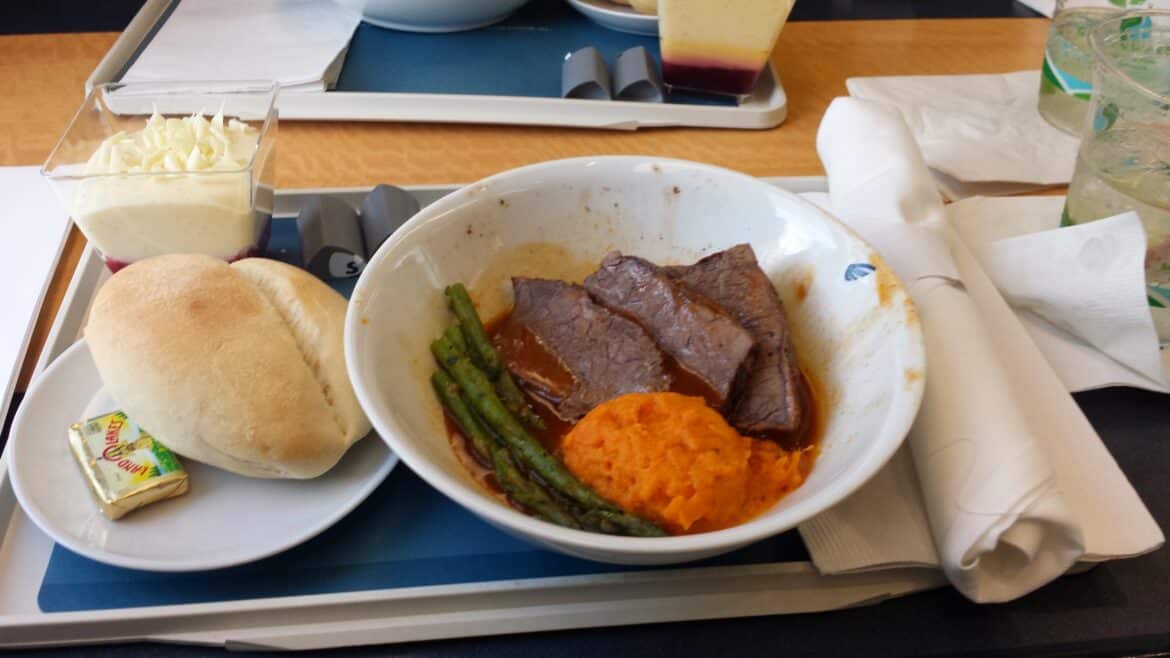
Most people ask this question because they want a little relief from the grind of the Northeast Corridor. Business class on the older Acela trains has always been fine for me. The bigger seats, drinks and convection oven menu in first are nice but comfort-wise business is fine for a 3 hour swoosh down to DC from NYC.
I treat First Class as a luxury, not a necessity. You get a meal, booze, and access to the Metropolitan Lounge at Penn Station or Union Station. But the Business Class product on Acela is already superior to almost any domestic airline seat. You get a 2-2 configuration, huge windows, and a “Quiet Car” that actually stays quiet.
Modhop Splurge Math: NYC to DC
The table below shows the premium for First Class across different departure times. I used my Price Per Hour (PPH) formula to see if the upgrade holds up. Here is what came back.
| Departure | Trainset | Business | First | Delta | PPH |
|---|---|---|---|---|---|
| 6:10 am (in 3 wks) | NextGen | $62 | $250 | $188 | $62.67 |
| 7:35 am (in 3 wks) | Legacy | $78 | $250 | $172 | $57.33 |
| 8:20 am (in 3 wks) | NextGen | $139 | $291 | $152 | $50.67 |
| 3:16 pm (in 3 wks) | Legacy | $139 | $291 | $152 | $50.67 |
| 7:35 am (next day) | Legacy | $498 | $707 | $209 | $69.67 |
| 8:20 am (next day) | NextGen | $498 | $707 | $209 | $69.67 |
NYC to DC, sampled July 23, 2026. Three-week-out and next-day fares, one route, one direction.
Wait. Look closer.
Every single First Class delta here lands in what I call “Situational” territory. They range from $50.67 to $69.67 per hour. Usually, that is where I tell you to consider it if you have the spare cash.
But PPH has a floor condition. This is a new rule for the Modhop framework: the formula only works when the base product is actually a problem. If the base seat is miserable, paying $60 an hour to escape it is a bargain. On Acela, the Business seat is already comfortable.
You are not paying for relief. You are just paying for nicer relief.
That is why my verdict for most occasional upgraders is a firm Skip It. Spend that $152 on a better hotel or a high-end dinner once you arrive. The train ride is only three hours.
How Much Does Booking Early Actually Save on Acela?
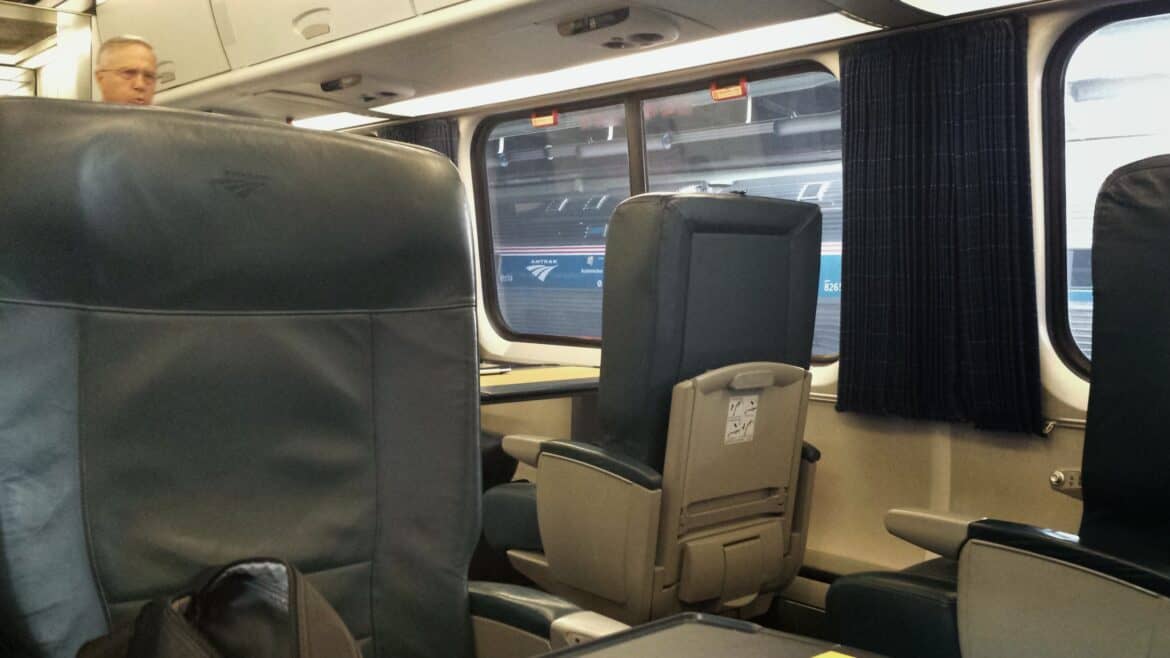
This is the lever that actually matters. Amtrak uses aggressive dynamic pricing. They do not care about your loyalty. They care about how desperate you are to get home.
On the 7:35 am legacy train from New York to DC, a Business Class seat three weeks out costs $78. If you wait until the day before, that same seat costs $498.
That is a $420 penalty for procrastination. For the same seat. On the same train.
So, why do we focus so much on the $152 cabin upgrade? It is because the cabin feels like a choice we make. The booking date feels like a circumstance we are stuck with. But for the occasional traveler planning a weekend trip, that date is a choice too.
Booking early is the only way to win this game. It is the one lever you control every time.
Ranking the Money Levers
- Booking Window: $420 impact. (Verdict: Worth It)
- Cabin Choice: $152 impact. (Verdict: Skip It)
- Trainset: $0 impact. (Verdict: Take the free win)
As of July 2026, these rates are sampled from one route and one direction. Amtrak prices fluctuate constantly. Always verify your specific dates at Amtrak.com.
Does a NextGen Acela Cost More Than a Legacy Trainset?

Amtrak is currently rolling out its new fleet. According to an Amtrak report from July 6, 2026, there are now 13 NextGen trainsets in service. They are running 32 weekday trips. That is a decent jump from the 26 trips they managed before the new fleet arrived.
You might assume the new, shiny trains cost more. They don’t.
I found two clear proofs in the data. First, the 6:10 am NextGen train ($62) was actually cheaper than the 7:35 am legacy train ($78). Second, the 3:16 pm legacy train and the 8:20 am NextGen train were priced identically at $139.
Amtrak prices the departure slot and the booking window. They do not price the equipment.
Just the clock.
I will admit something here. I have not ridden a NextGen trainset yet. I cannot tell you if the tilt system feels smoother or if the 5G wifi is actually fast. I can only tell you the specs: they have more capacity and modern outlets.
If you see the “NextGen” label in your app, take it. It costs you nothing extra. It is a free upgrade in hardware, even if the software (the service) remains the same.
Look for the label. As of July 2026, it is appearing on the booking screen. This might not be a permanent feature, but for now, it is a great way to hunt for the new fleet. I noticed seven consecutive NextGen departures after 7:35 am on the morning bank from NYC. The legacy sets didn’t show up again until the afternoon.
The strategy is simple. Book three weeks out. Stick to Business Class. Hunt for the NextGen label if the schedule works.
That is how you do the math. Everything else is just noise.
Frequently Asked Questions
What is the difference between Acela First Class and Business Class?
First Class includes a 1-2 seating configuration, a hot meal served at your seat, and complimentary alcoholic beverages. You also get access to Metropolitan Lounges. Business Class is 2-2 seating with no included food, but you still get a reserved seat and access to the cafe car.
How can you tell if your Acela is a NextGen trainset?
During the current rollout phase, Amtrak is often labeling these trains as “NextGen Acela” directly in the booking results on their website and app. You can also tell by the train number in some cases, though the visual label is the most reliable method for travelers.
How far in advance should you book Acela to get the best fare?
I checked the same 7:35 am train at two points and the gap was $420. A Business seat was $78 three weeks out and $498 the day before. I did not sample the dates in between, so I cannot tell you where the price starts climbing. What I can tell you is that three weeks out was dramatically cheaper than the day before on this route in July 2026.
Join the Conversation
Have you managed to snag a seat on the new NextGen Acela yet, or are you still finding yourself on the legacy trains? Share your experience with the new fleet in the comments below.

Author
Jake Redman
Modhop Founder Jake Redman brings years of global exploration and travel tips to the podcast and our videos at Modhop. Jake also produces audio branding for several music channels on SiriusXM.

Similar posts
Recent Modhop
Popular Modhop



Post comments
This post currently has no comments.