Searching for a CDG fast track option under the new EES rules is suddenly a very practical question, not some airport-nerd rabbit hole for the 1%. The EES — short for EU Entry/Exit System — is the new biometric border registration that replaced passport stamping across 29 Schengen countries on April 10, 2026… and it is not going smoothly. Since the rollout, long waits at major hubs like Paris Charles de Gaulle, Amsterdam Schiphol, and Frankfurt have made one thing clear: if your time, connection, or sanity matters, paying for help starts to look a lot less nutty.
The messy evidence is already here. At Milan Linate, only 34 of 156 passengers reportedly made a flight after EES delays jammed up processing. Portugal briefly suspended EES handling after queues swelled. At the biggest hubs, especially CDG, the issue is not really understanding the mechanics of biometric entry. It is that the line can eat hours of your day, and sometimes your onward flight too.
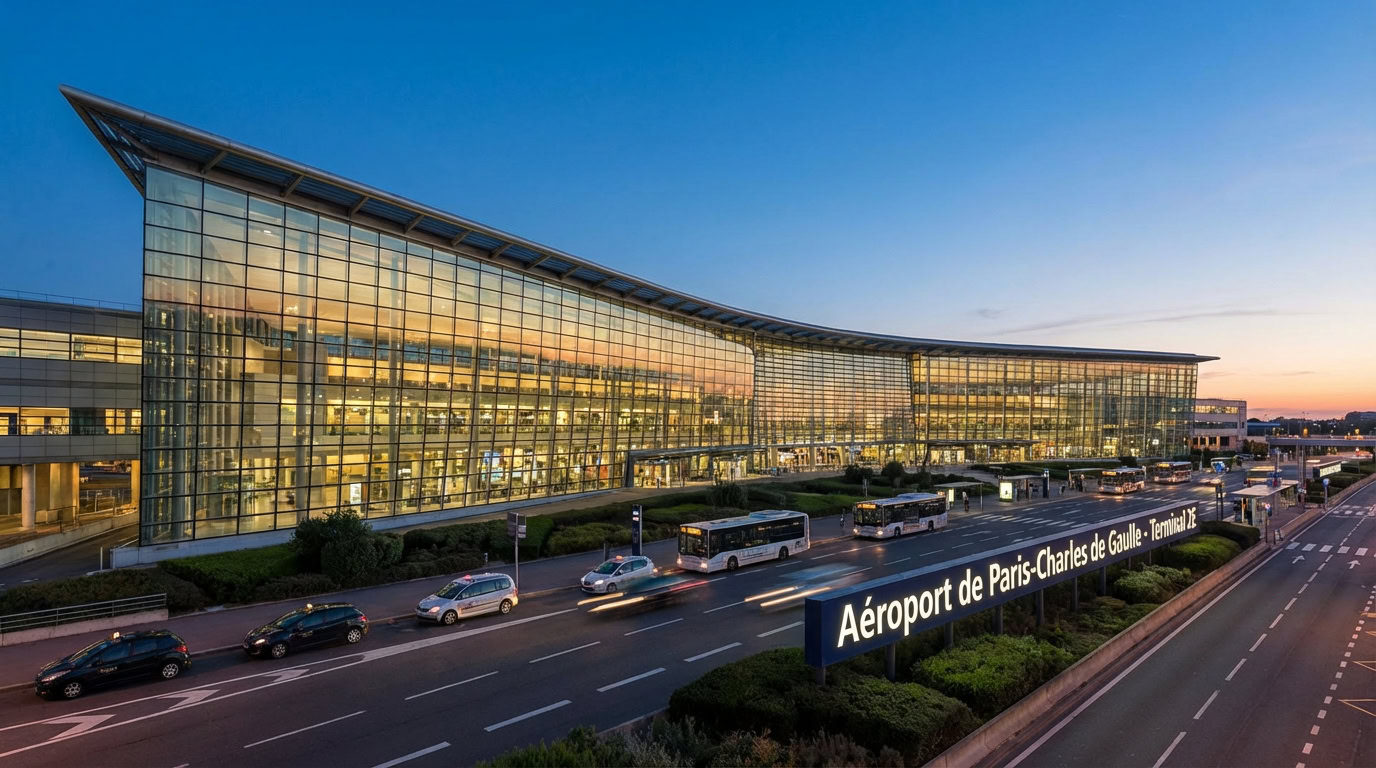
Jake says “Spend more time IN Paris.” Photo: Modhop
If you are planning a trip in the next few months, your choice of entry point is more important than ever. Based on our current Airport Intel, the “Big Three” bottlenecks right now are Paris Charles de Gaulle, Amsterdam Schiphol, and Frankfurt. These are your massive, busy hubs and are often packed on a good day. Add first-time biometric enrollment under the EU Entry/Exit System, and suddenly your well thought-out connection plan starts looking a little optimistic.
Airport
Risk Level
Why It Matters
Better Use Case
Paris CDG
High
Heavy long-haul volume, uneven kiosk performance, and ugly connection risk
Only if Paris is your final stop or you have a huge buffer
Amsterdam Schiphol
High
Tight connections get wrecked fast when first-time biometric processing backs up
Better for nonstop arrivals than short onward hops
Frankfurt
High
Already connection-heavy, so EES delays pile onto an airport that loves complexity
Fine if you have time to spare
Lisbon
Moderate
Good transatlantic option with less chaos than the biggest hubs
Strong choice for East Coast arrivals
Munich
Moderate
Large enough to be practical, calmer than the Big Three
Good all-around first Schengen entry point
Zurich
Moderate
Efficient airport flow and a generally less frantic feel
Best for travelers who value order over route-map swagger
Brussels
Moderate
Practical gateway for Western Europe onward travel
Useful if your end goal is nearby, not necessarily Brussels itself
CDG is still the poster child for EES chaos. The combination of high passenger volume, inconsistent kiosk performance, and already-long immigration halls has made Paris a rough place to test your optimism. Amsterdam Schiphol is also risky, especially for travelers trying to connect quickly after a US arrival. Frankfurt rounds out the trio because it already has a special talent for making simple things feel operationally complicated.
If you can avoid entering Schengen through any of the big three, that’s still solit strategy. But if your routing, fare, or sanity says you are using them anyway, the more useful question becomes this: should you pay for a VIP arrival service and get on with your vacation?
The VIP Fast-Track Play at CDG, AMS, and Frankfurt
This is the core idea behind CDG fast track EES, and honestly, it is less glamorous than it sounds. You are not buying diplomatic immunity. You are buying help, shorter lanes where available, and a lot less wandering around half-awake wondering whether you are in the right queue. Personally, at this point after a transatlantic hop, I’m ready to hit the hotel for my day one nap.
What VIP services actually do
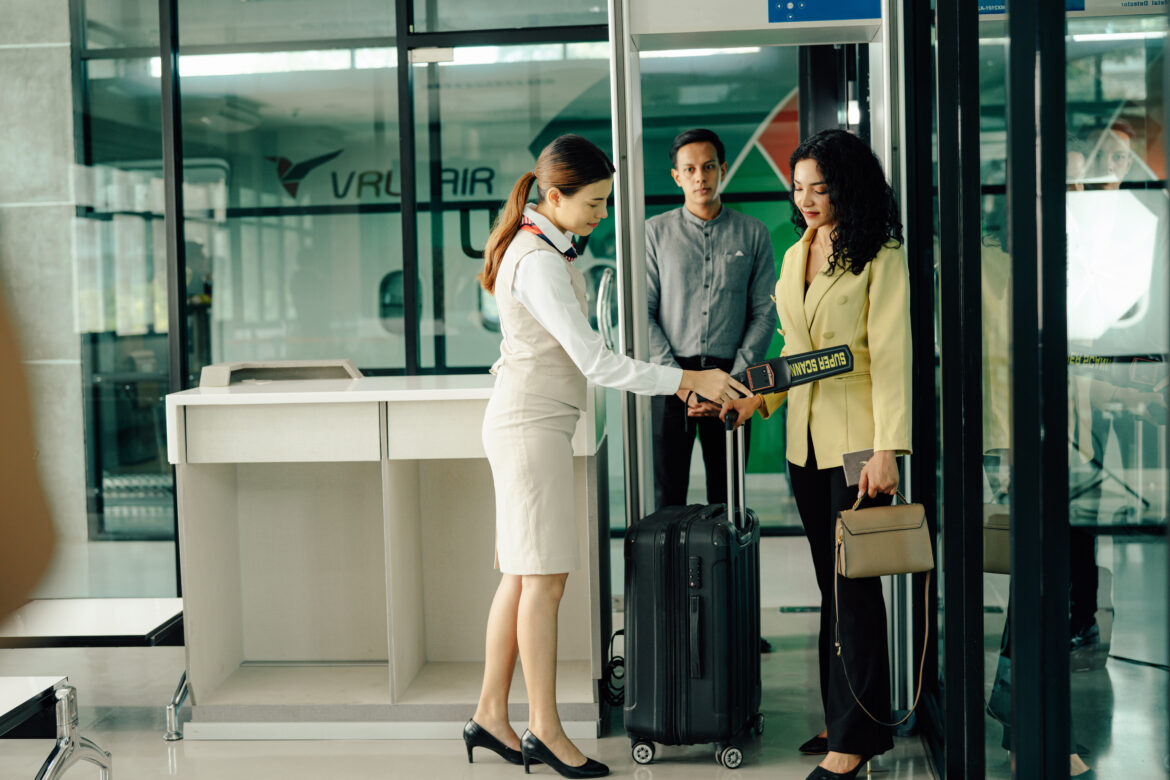
A proper arrival Meet & Greet service usually starts with an agent meeting you at the gate, jet bridge, or terminal entry point. From there, they escort you through the airport, help manage the handoff points, and guide you toward premium or shorter border lanes when the airport setup allows it. That matters more than it sounds. A human being who knows the airport and the current bottlenecks can save you a surprising amount of time and a frankly heroic amount of irritation.
The important caveat: these services do not erase EES. Everyone still has to deal with the required facial scan, and some travelers will still need the full first-time biometric process. So no, this is not a secret wormhole under passport control. What it does do is reduce friction around the process. It cuts down on wrong turns, line confusion, and the general wait-time anxiety that comes from staring at 400 tired people under fluorescent lights and thinking, “Cool, guess I live here now.”
The Operators & Costs
At CDG, the most practical options for a Paris airport meet greet EES strategy are providers like SkyVIP and Fastrack VIP, with pricing starting around €199. That gets you into the useful, non-ridiculous category of airport help: an escort, assistance through the arrival flow, and access to premium handling where available. If you want the full bubble-wrap treatment, there are VVIP private suite options that start around €850 or more. That is the version for travelers who want near-total isolation from the regular arrivals experience, and yes, it is expensive, but at least it is honest about being expensive.
At Amsterdam Schiphol, the main players are SkyVIP and Paradigm Meet & Greet. While pricing is typically quote-based, services usually land in the same €200 to €300 range as CDG for travelers who want help without going fully champagne-and-tarmac about it.
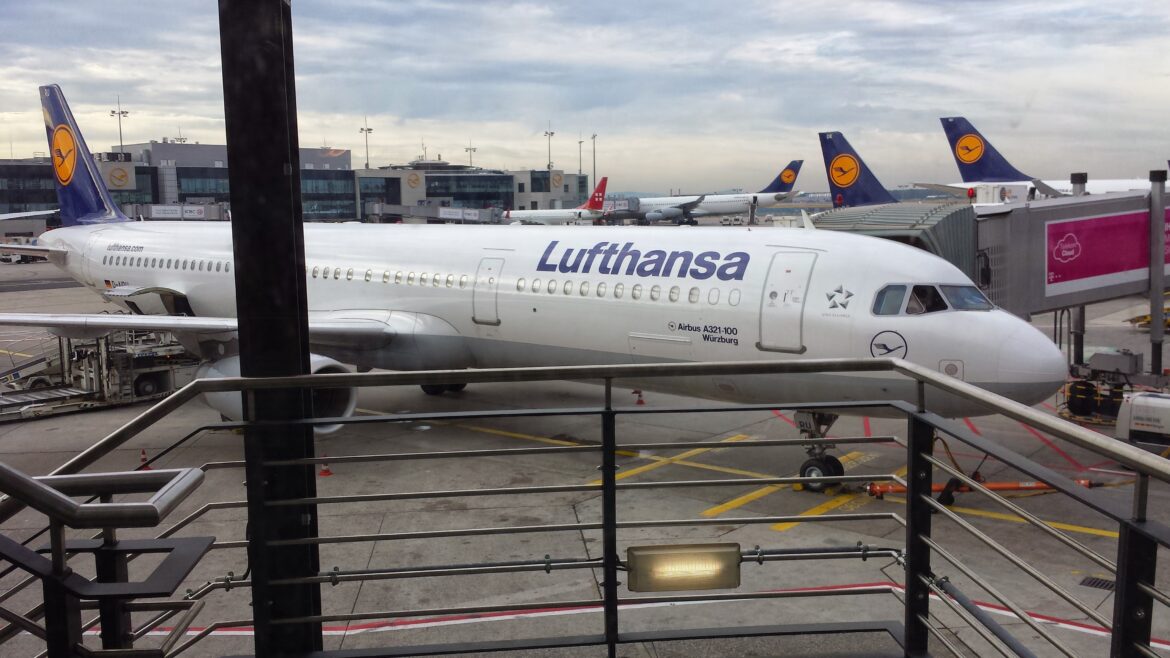
Frankfurt has the most dramatic top-end option of the three: the official Frankfurt VIP Terminal. Pricing usually starts around €430 for the first person and about €240 for each additional traveler, and this is not just a guy with a clipboard walking quickly. It includes private handling, dedicated processing, and a fun extra, a limo ride to the terminal from the plane. One caveat: the Frankfurt VIP Terminal can be genuinely hard to book. Fraport holds capacity back for certain Centurion cardholders, so if you want this option, try well in advance and have a backup plan. Third-party Meet & Greet providers at Frankfurt — SkyVIP operates there, typically run less than the official terminal, though pricing varies by provider and service level. That is still real money, but at Frankfurt, so is the cost of pretending your 75-minute connection will somehow work itself out.
FRA has options to make your connection in VIP style. Photo: Modhop
The Splurge Math Breakdown
This is where the whole thing either becomes rational or gets laughed off as airport cosplay. Usually, the answer depends on what the queue is threatening.
The first case is the tight connector. Say you are landing at CDG and trying to protect a $3,000 Business Class onward itinerary. Spending around €200 to skip EES queue Paris-style starts to look pretty sane. You are not paying for luxury. You are paying to protect a ticket that is worth far more than the service itself, plus avoiding the chaos tax of a missed connection, forced rebooking, or accidental overnight in an airport hotel with the personality of drywall.
Then there is the family group scenario, which is where this math gets compelling if you’re trying to manage, say, .four people, more bags, at least one tired kid, and maybe a stroller or car seat. If the service costs €400 to €600 total, that isn’t chump change, but it may buy baggage help, fewer wrong turns, and a much lower chance of a meltdown (I’ve often been the one melting down) before you even reach the hotel. Sometimes the best upgrade is the one that prevents your vacation from opening with a WWE style group argument in baggage claim.
The third case is the honeymoon or special trip. This is the easiest one to understand emotionally, even if it is the hardest to spreadsheet. If you saved for a once-in-a-lifetime Paris arrival, there is a fair argument for not spending the first three hours of it in a sweaty queue under terrible lighting. Not everything has to be optimized to the penny. Sometimes paying for a smoother arrival is just a good call because your trip is supposed to feel special, not like a municipal processing event. Heck, put it in your registry.
How to Book & What to Watch For
Before you book anything paid, one free option is worth knowing about if you are connecting on Air France through CDG. The airline launched a “Short Connection Pass” in August 2025 that automatically grants priority access to security and border control when your connection time drops below a set threshold — roughly under 45 minutes for many routes, or below Air France’s standard recommended minimum. There is nothing to sign up for. When you land, you get an SMS and email notifying you of your priority status, and scanning your boarding pass at the checkpoint triggers the fast lane. It covers border control, which means it is directly relevant to EES processing. The catch: it only applies to Air France connecting flights at CDG, not all airlines, and reader reports suggest it is only as good as the staffing on the other side of the lane. But if your itinerary qualifies, it is the easiest upgrade you will never have to pay for.
If you are going to book a VIP arrival service CDG 2026 style, do it early. Forty-eight hours ahead is the bare minimum most operators want, and earlier is smarter during a messy rollout when capacity can disappear fast. Check the terminal carefully, because not every service works in every terminal or for every airline flow. That detail seems insignificant right up until it ruins your plan.
Also make sure you are booking the right type of help. “Arrival” service and “connection” service are not interchangeable, and some providers price them differently or only support one. Read the fine print on what happens if your flight is delayed, whether fast-track lane access is guaranteed or just requested, and whether the service includes baggage help or only escorting. VIP can mean anything from “a helpful human with airport access” to “private suite and apron transfer,” and those are not remotely the same thing.
If you are not using a VIP service, the backup move is still straightforward: build in a huge buffer and lower your expectations. But if you are arriving through CDG, Schiphol, or Frankfurt on a trip where timing matters, paying for help is no longer some absurd luxury-travel plot twist. It is often just the most practical line item on the itinerary.
The Silver Lining: Returning Travelers
It is not all bad news. The “Border Blues” are mostly a first-timer problem. Once your biometrics are in the system, later entries should be faster, assuming the tech behaves itself and no one decides to reboot the whole experience in the middle of arrivals.
For frequent travelers, that should eventually mean fewer manual checks and a smoother process. The system just isn’t in it’s smooth era yet.
What This Means for Your Travel Strategy
For the rest of 2026, treat your first Schengen arrival like a real planning variable, not a formality. If you are routing through CDG, Amsterdam Schiphol, or Frankfurt, you basically have two smart options. Route around the problem, add the kind absurd extra time your parents do, or pay to reduce it.
That is why CDG fast track EES is such a useful framing. You don’t need to be a Bezos or Swift to justify an airport escort. You just need a trip where time, stress, or downstream costs are high enough that the math works. If you want more of that thinking, our affordable luxury travel hacks guide is a good place to start
FAQ: What Travelers Need to Know About EES Queues
What is the EU Entry/Exit System?
The EU Entry/Exit System, or EES, is the new digital border system for non-EU travelers entering and leaving the Schengen Area. It replaces passport stamping with biometric registration, including a facial image and, for most travelers age 12 and up, four fingerprints.
Why are queues so bad right now?
The biggest problem is first-time enrollment combined with uneven airport operations. When kiosks fail or passengers need help, the line snowballs quickly, especially at hubs like CDG, Schiphol, and Frankfurt.
Which airports are the worst for EES delays?
Right now, Paris CDG, Amsterdam Schiphol, and Frankfurt are the main trouble spots. They have the volume, the connection pressure, and enough moving parts to turn a normal arrival into a long, annoying project.
Are there better airports for a first Schengen entry?
Yes. Lisbon, Munich, Zurich, and Brussels are all worth considering if you want a more practical first entry point from a transatlantic flight.
Do children need fingerprints for EES?
Children under 12 do not need fingerprints, but they still need a facial scan. That helps a bit, though family arrivals can still take time.
Can I pre-register for EES?
Sometimes. The EU’s official “Travel to Europe” EES page is the place to monitor pre-registration details, including the app and participating locations. It can help you show up more prepared, but it is not a guaranteed fast pass.
Will airlines compensate me if I miss a flight because of EES delays?
Maybe not. Airlines may treat EES delays as extraordinary circumstances under EC 261/2004, which can limit compensation. Rebooking support depends a lot on whether your itinerary is on one ticket.
What do VIP arrival services actually include?
Usually an airport escort, guidance through the arrival process, help with airport navigation, and access to premium or shorter lanes where available. They do not exempt you from biometric checks, so you still need to complete the required facial scan and any first-time EES steps.
How much does a VIP arrival service cost at CDG, AMS, or Frankfurt?
At CDG, basic Meet & Greet options from providers like SkyVIP and Fastrack VIP start around €199, while VVIP private suite options can start around €850 or more. At Schiphol, providers like SkyVIP and Paradigm Meet & Greet typically quote in the €200 to €300 range. At Frankfurt, the official VIP Terminal starts around €430 for the first person and about €240 for each additional traveler, with private handling and a limo transfer from the plane.
Is the Frankfurt VIP Terminal easy to book?
Not always. Fraport reportedly holds some Frankfurt VIP Terminal capacity for certain Centurion cardholders, so availability can get tight. If that is your plan, book as far ahead as possible and have a backup option ready.
How far in advance should I book a VIP service?
At least 48 hours ahead is the safe minimum. Earlier is better, especially during peak travel periods or at airports where EES delays are already stacking up.
Are VIP arrival services worth it?
For the right trip, yes. They make the most sense when you are protecting a premium-cabin connection, traveling with kids and a lot of bags, or trying not to begin a special trip in a three-hour queue under airport lighting that makes everyone look haunted.
Join the Conversation
Have you tried a VIP arrival service at CDG, Schiphol, or Frankfurt since the EES rollout? Was it worth the money, or would you rather gamble on the regular queue and keep the €200? Drop your experience in the comments and help the rest of us run the Splurge Math.
Modhop Founder Jake Redman brings years of global exploration and travel tips to the podcast and our videos at Modhop. Jake also produces audio branding for several music channels on SiriusXM.
There you are sitting at the gate, staring at the Delta app, and that “Upgrade for $499” or “35,000 Miles” box is staring back at you. If you’re an “Occasional […]
















Post comments
This post currently has no comments.